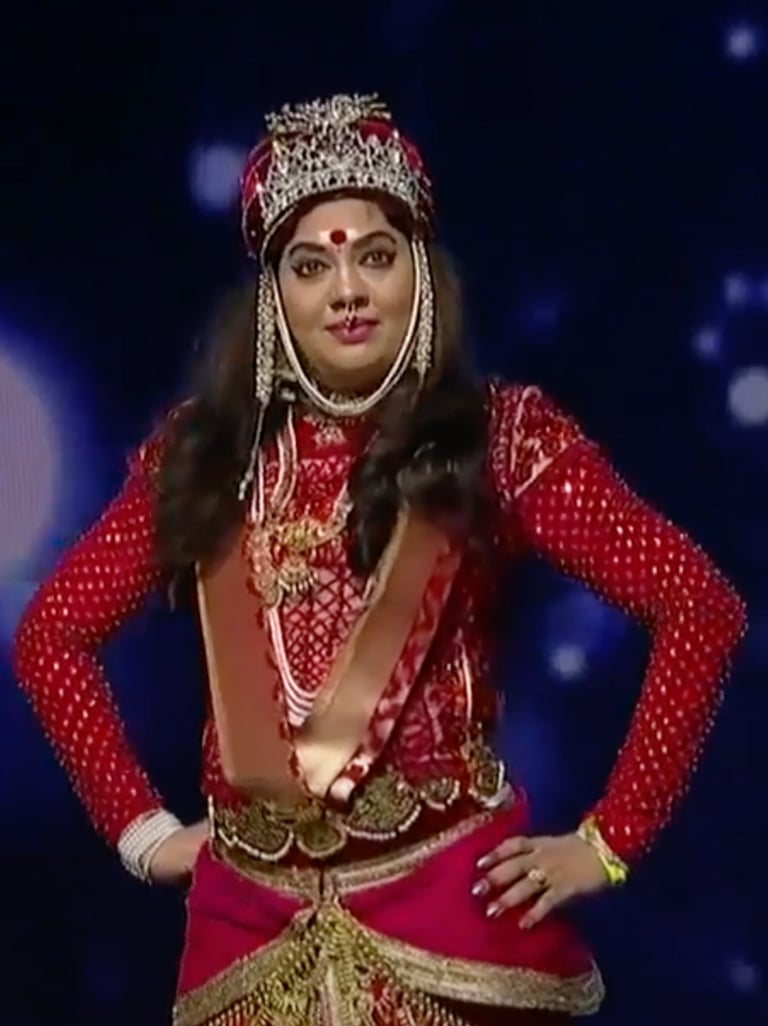
Padma Shri Dr. Gaddam Padmaja Reddy
Padma Shri Dr. Gaddam Padmaja Reddy is an eminent Indian classical dancer, best known for her work in Kuchipudi. Over several decades, she has built a remarkable career as a performer, choreographer, researcher, and teacher, presenting more than 3,000 concerts across over 100 countries.
Rooted in the traditional Kuchipudi repertoire, her productions are known for their strong nritta, expressive abhinaya, and visually rich group choreography. She has created numerous ballets that blend mythological narratives, historical figures, women’s stories, and social issues, making classical dance accessible to diverse audiences.
As a guru, she has trained many students who now perform and teach in India and abroad, and she continues to mentor the next generation of artists through regular classes, workshops, and intensive training programmes.
Beyond her Kuchipudi legacy, Dr. Padmaja Reddy is the founder of KAKATIYAM – Telangana Dance, a reconstructed classical-style form based on the 12th–13th century Kakatiya dynasty. Through this work she combines the rigor of a scholar with the intuition of a performer, giving Telangana a clear, sculpture-rooted dance identity on the global stage.
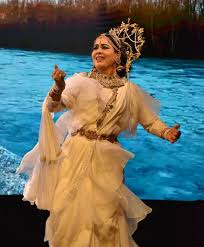
KAKATIYAM – TELANGANA DANCE
KAKATIYAM – Telangana Dance
KAKATIYAM – Telangana Dance is a distinct classical-style form created by Padma Shri Dr. Gaddam Padmaja Reddy. It revives the movement language of the Kakatiya period by decoding dance sculptures from temples such as Ramappa, Thousand Pillar Temple, and Warangal Fort, and aligning them with texts like Nritta Ratnavali and Natyasastra.
Key points
Reconstructed from Kakatiya temple sculptures, especially Madanika and other female dance figures.
Draws on margi and desi vocabularies described by Jayapa Senani in Nritta Ratnavali.
A distinct style, different from both Kuchipudi and Perini Thandavam, with its own stance, postures, and repertoire.
Supported by a 4-year structured syllabus under the banner of Telangana Natyam.
CTA: Learn more about KAKATIYAM →